Could your London property be suffering from penetrating damp?
Penetrating Damp has another name-- 'rain penetration,' which refers to moisture seeping inside the structure from outside sources. The following are the usual suspects of moisture penetration:
- Guttering and downspouts that are broken or missing
- Rendering or masonry cracks
- Brickwork and pointing damage
- Poor-quality mortar or porous bricks
- Roof cracks/damage or missing roof tiles
- Drainage systems that are faulty or clogged
- Coatings/paint for non-breathable outer walls
- Window sills that are broken or missing
Damp can impact both old and new structures, and if left unchecked, it can cause irreversible property damage. The problem is frequently worse during extended periods of rain.
Watch this video to find out more!
You could also need help with:
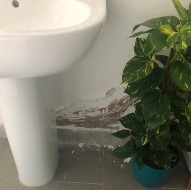
Rising Damp

Condensation
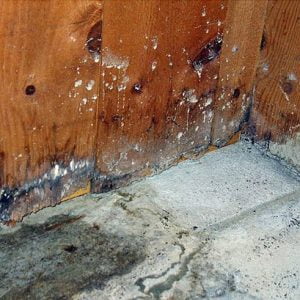
Wood Treatment
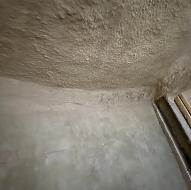
Basements

Book a Survey
What is penetrating damp?
Penetrating damp occurs when outside water or moisture starts to enter a building. Usually, the water gets in through gaps in window frames and doorframes, cracks in the brickwork, or small holes in the roof. When this lateral water ingress happens, it will usually lead to much more severe problems, so it is essential to get it looked at straight away.
Calling a mould prevention expert the moment you see signs of moisture in your walls or plaster blistering is essential. Without specialist waterproofing solutions, it will keep coming back, getting worse every time and possibly lead to structural issues, which can be costly and decrease the value of a property.
This kind of damp is also known as 'rain penetration' and describes water leaking into the building from outside.
Common sources of water ingress are:
- Broken or missing gutters and downpipes
- Cracks in rendering or masonry
- Damage to brickwork and pointing
- Porous bricks or poor quality mortar
- Cracked/damaged roofs or missing roof tiles
- Faulty/blocked drainage systems
- Non-breathable outer wall coatings/paint
- Broken or missing windowsills
Damp can affect old or new buildings, regardless of age and, if left untreated, can lead to permanent property damage. The problem is often more prevalent during periods of extended wet weather.
Ways You Can Help Prevent Penetrating Damp in Your Property
There are a few steps you can take to help prevent penetrating damp or water ingress in your property. Following these preventative measures will give your property the best possible chance against mould, moisture, and plaster blistering.
Take a Look – As often as you can, walk around the property, checking the external brickwork and mortar for damage and looking around window frames and doorframes for gaps. The more we look, the more we can prevent.
Look After Your Drainage – Downpipes and gutters work best when they are taken care of. Regularly give them a clean. Doing this also means you can identify and address any necessary repairs.
Keep on Top of Your Brickwork – For brickwork to be in the best possible shape, it is crucial to get it repointed from time to time. This is a costly process, but it doesn’t need to be done very often.
Seal Doors and Windows—There are several methods we can use to ensure doors and windows are completely sealed so that no water comes through. This is an issue we see in many older properties.
Keep an Eye on your Walls – Regularly monitor the interior of your property, checking for moisture in the walls or plaster blistering. This will ensure you spot small issues sooner, and they won’t become big problems.

Reliable Guarantee

Rapid Diagnosis

Onsite Estimates

Transparent Pricing

Trusted Provider
FAQ's
Penetrating damp is caused when water enters the building through the roof or its walls. Sometimes these gaps have been created by faults or natural ageing, which require remedial work to secure them and to stop further instances from occurring.
As well as the issues highlighted above, faulty gutters are found to be another perennial issue by our experts at London Damp Proofing when they visit customers to assess the cause. Poorly sealed windows, some of them because of their age and doors not fitting properly are other issues.
It is always a sensible idea to inspect the inside of a property and look for anything that might be wrong, particularly after heavy rainfall. Damp patches left behind are a telltale sign of penetrating damp, as is peeling paint, signs of mould growing, along with any visible water ingress.
It makes sense that when there is heavy rain or even snowfall, ingress and faults in a building will be exposed more compared to in the summer. However, the warmer months might be a better time to have preventative work done in readiness for what lies ahead.
No. Rising damp comes from the ground up, with properties in London often built on clay with high water retention being more prone to it than many other locations. Penetrating damp comes from outside and thrives on faults in the building's exterior.
Once a rapid diagnosis has been delivered, we will go about repointing bricks and sealing cracks. Drainage might require work and improvements, while the use of water-repellent coatings is proven to make a big difference and keep the damp at bay.
No. The paint over a damp patch might hide it for a short while, but the issue won’t have gone away. It requires fixing properly by experts before being given the aesthetic treatment. Such short-term measures not only fail to address the problem but also mean that money has been wasted on them.
It most certainly will. Damp of any kind can cause untold damage, often out of sight, as timber and masonry are gradually damaged. Plaster can start to crumble, which leaves a mess as well as weakening a structure, while mould also has harmful health consequences if not dealt with.
The guaranteed way to keep a property in pristine condition is to carry out regular inspections of the exterior walls, gutters, and any new gaps. At the first sign of any potential damage, call us on 020 7593 8030 so that we can arrange a rapid diagnosis.
How can London Damp Proofing help with penetrating damp?
Our experienced damp proofing team can investigate and treat your penetrating damp issues. The cause(s) of water ingress can be rapidly identified and often resolved with the application of cost effective treatments.
Where more serious property maintenance is required to protect your property, we will present you with an action plan, recommending the best options for you.
Our team strives to do whatever it takes to ensure your property is damp-free. With a careful and comprehensive assessment, we will do what it takes to preserve your property and give you absolute peace of mind. We will address every point of entry and ensure that the issues don’t come back anytime soon.
As part of our confidence and commitment, we also offer a 30-year guarantee, so you know you can always trust in our work. If you have been dealing with water ingress, plaster blistering, or mould on your walls, call us straight away and we will schedule an appointment to help put it right.
Request a Damp Survey